Field guides · mobile tools · photography

Identify Freshwater Fish with Confidence

Field guides, practical photography and responsible ways to observe freshwater species—built around evidence rather than a single image match.

Explore the Species Guide
FeaturesHabitatRangeManual check
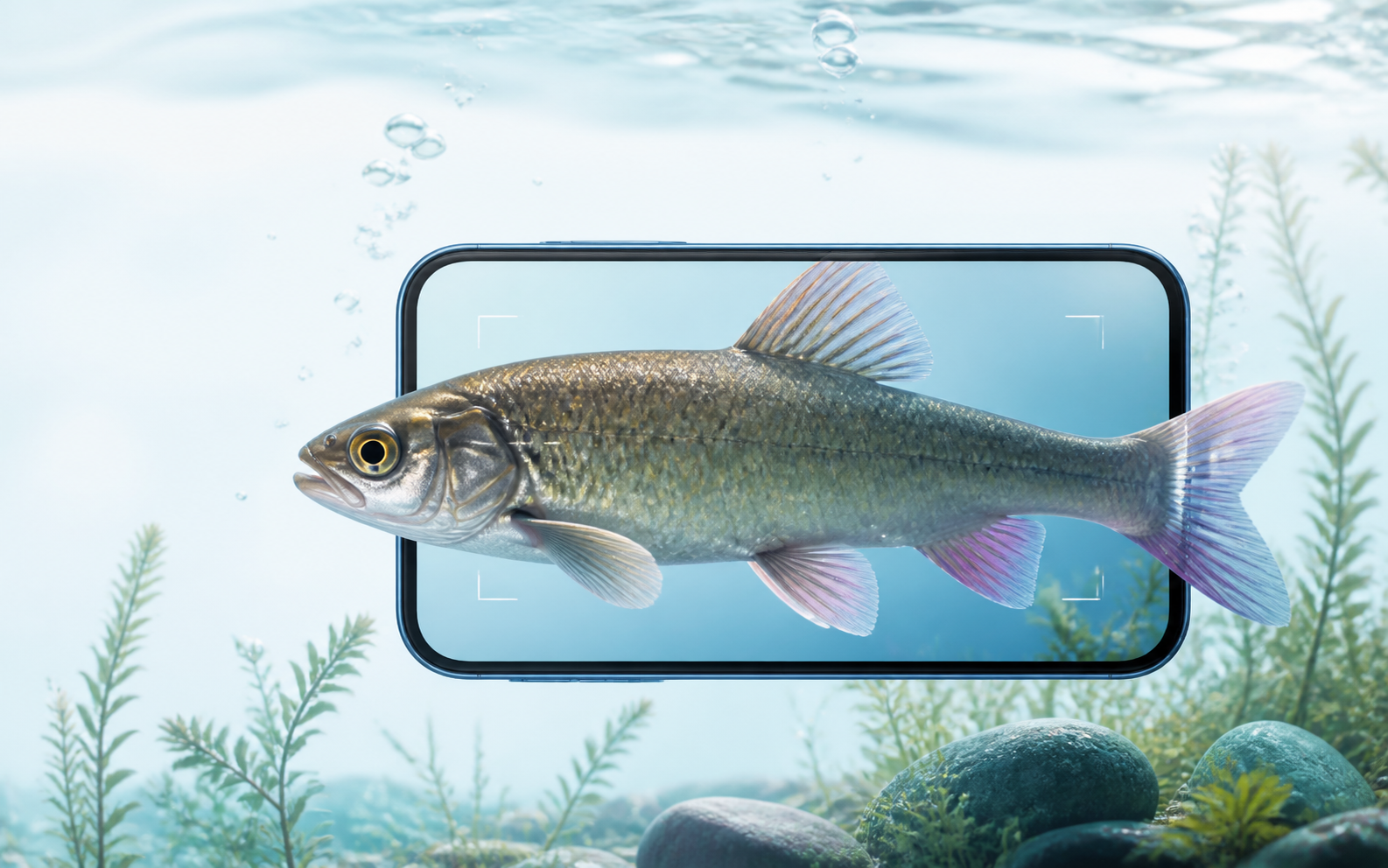
Original editorial illustration of a generic freshwater fish crossing an unbranded mobile observation frame
Original editorial compositeLook twice.
Identify once.
OBSERVATIONFeature match ≠ final identification

Start here

Three ways into the water

Field collection

Eight Freshwater Species to Know

Each profile combines visible marks with habitat and range. Global status is reported separately from local conditions.

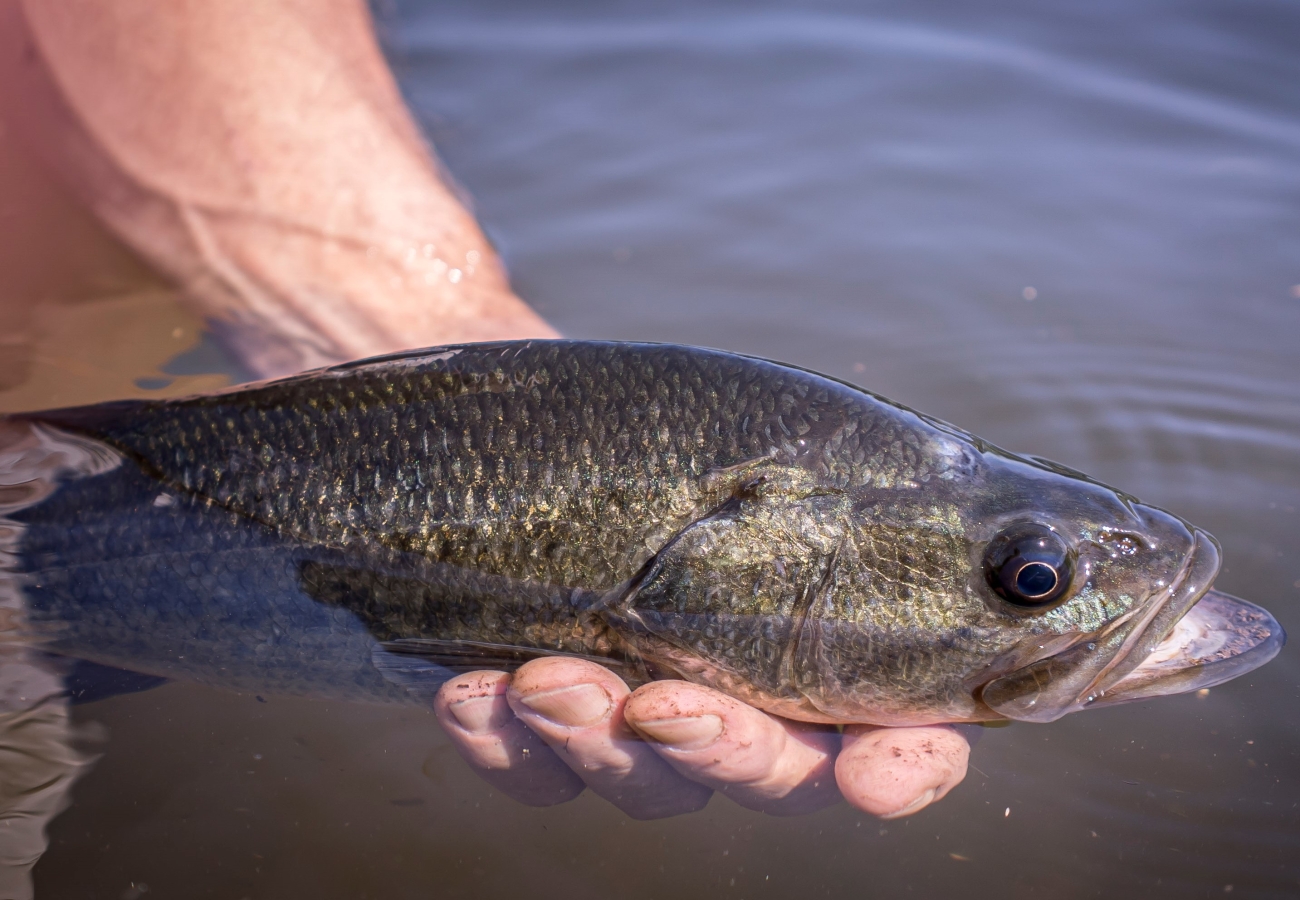
Adult largemouth bass in profile at a fish hatchery01

Largemouth Bass

Micropterus salmoides

Least Concern · global

A heavy-bodied ambush predator commonly associated with warm, structured water and submerged vegetation.

Habitat
Vegetated lakes, ponds, swamps and quiet pools or backwaters.
Range
Native across broad parts of eastern and central North America; widely introduced beyond its native drainage.
View Species Guide
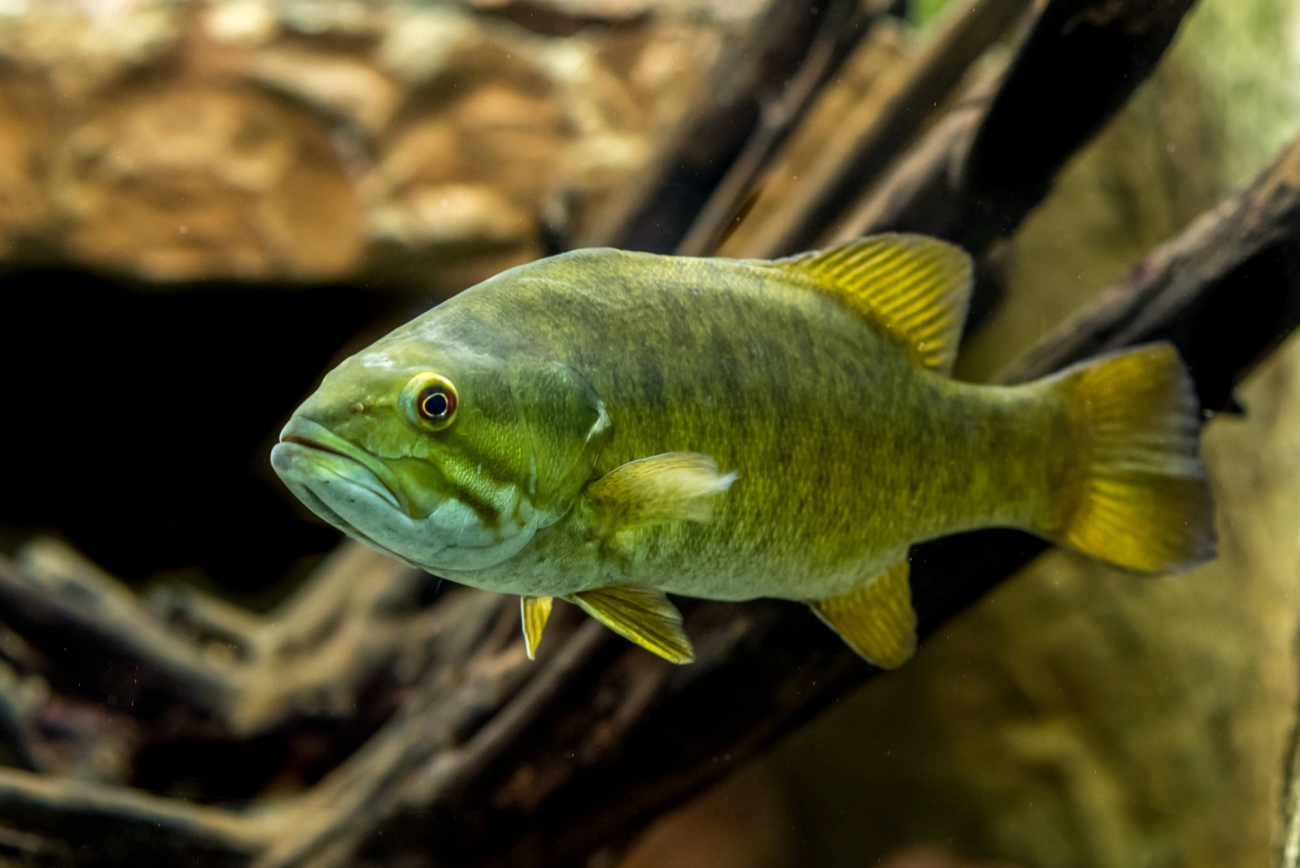
Smallmouth bass photographed in side profile02

Smallmouth Bass

Micropterus dolomieu

Least Concern · global

A bronze-toned bass strongly associated with clear water, rock and current, though appearance changes with habitat and age.

Habitat
Clear, cooler lakes and rocky or gravel-bottom rivers, runs and pools.
Range
Native to the St. Lawrence–Great Lakes, Hudson Bay and Mississippi systems; introduced in many regions.
View Species Guide
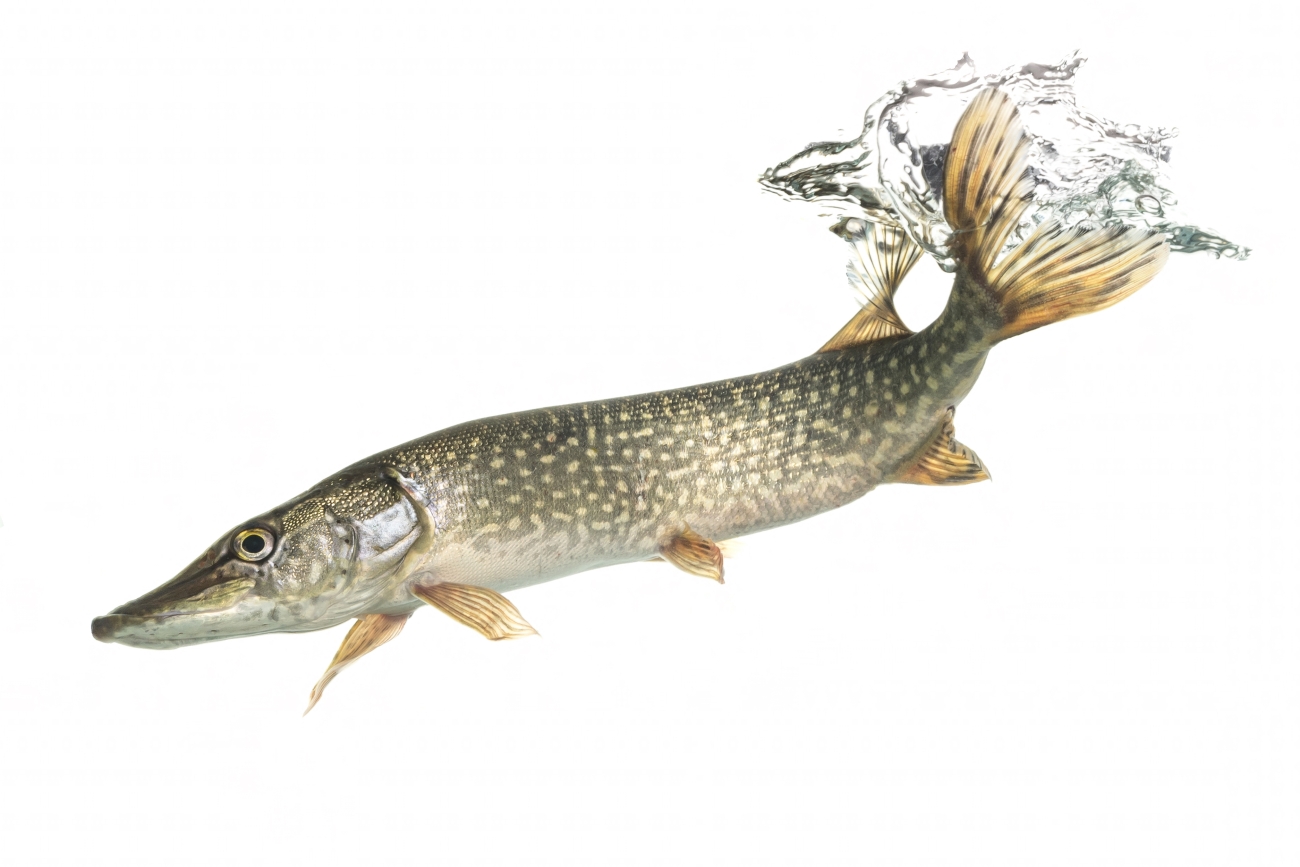
Long-bodied northern pike with pale spots03

Northern Pike

Esox lucius

Least Concern · global

A long-bodied ambush predator whose rear-set fins and duckbill-like snout are stronger clues than overall color.

Habitat
Vegetated lakes, quiet pools, backwaters, rivers and reservoirs.
Range
Across northern parts of North America, Europe and Asia, with introduced populations outside parts of the native range.
View Species Guide
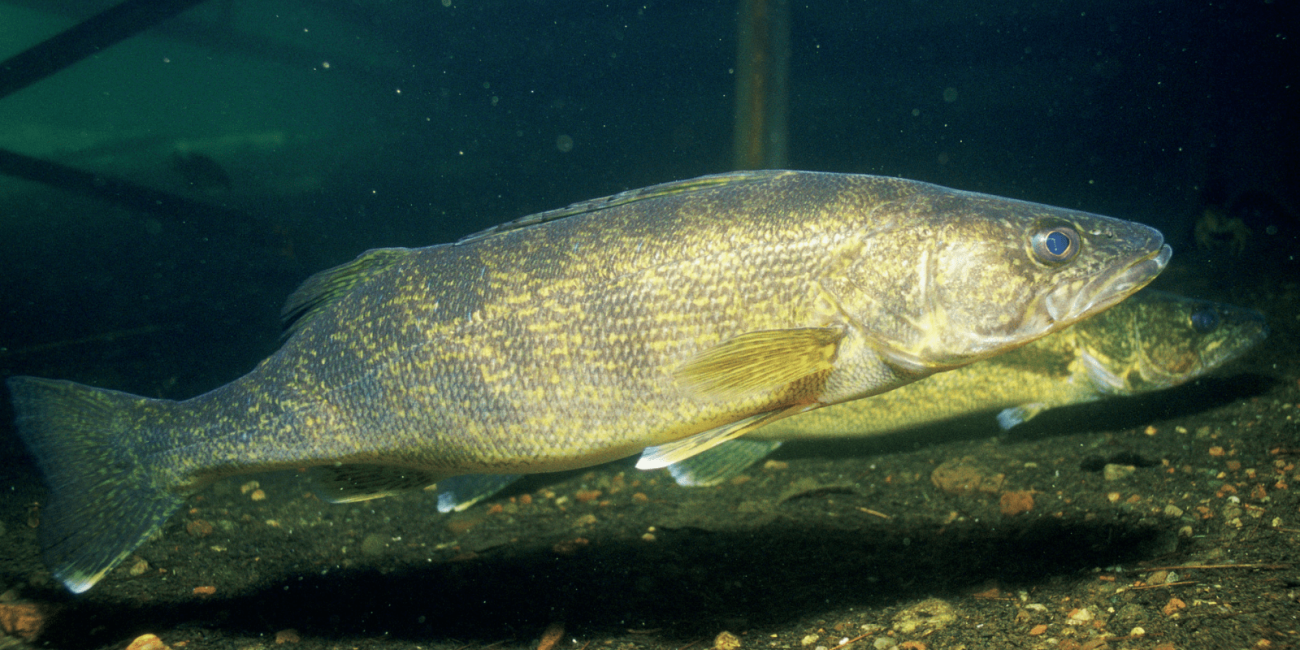
Walleye in profile over a neutral background04

Walleye

Sander vitreus

Least Concern · global

A low-light percid with a long body, separated dorsal fins and a tail marking useful in field comparison.

Habitat
Cool rivers, natural lakes and reservoirs, in clear or turbid and shallow or deep water.
Range
Native to Arctic, Great Lakes and Mississippi drainage systems in North America; introduced elsewhere on the continent.
View Species Guide
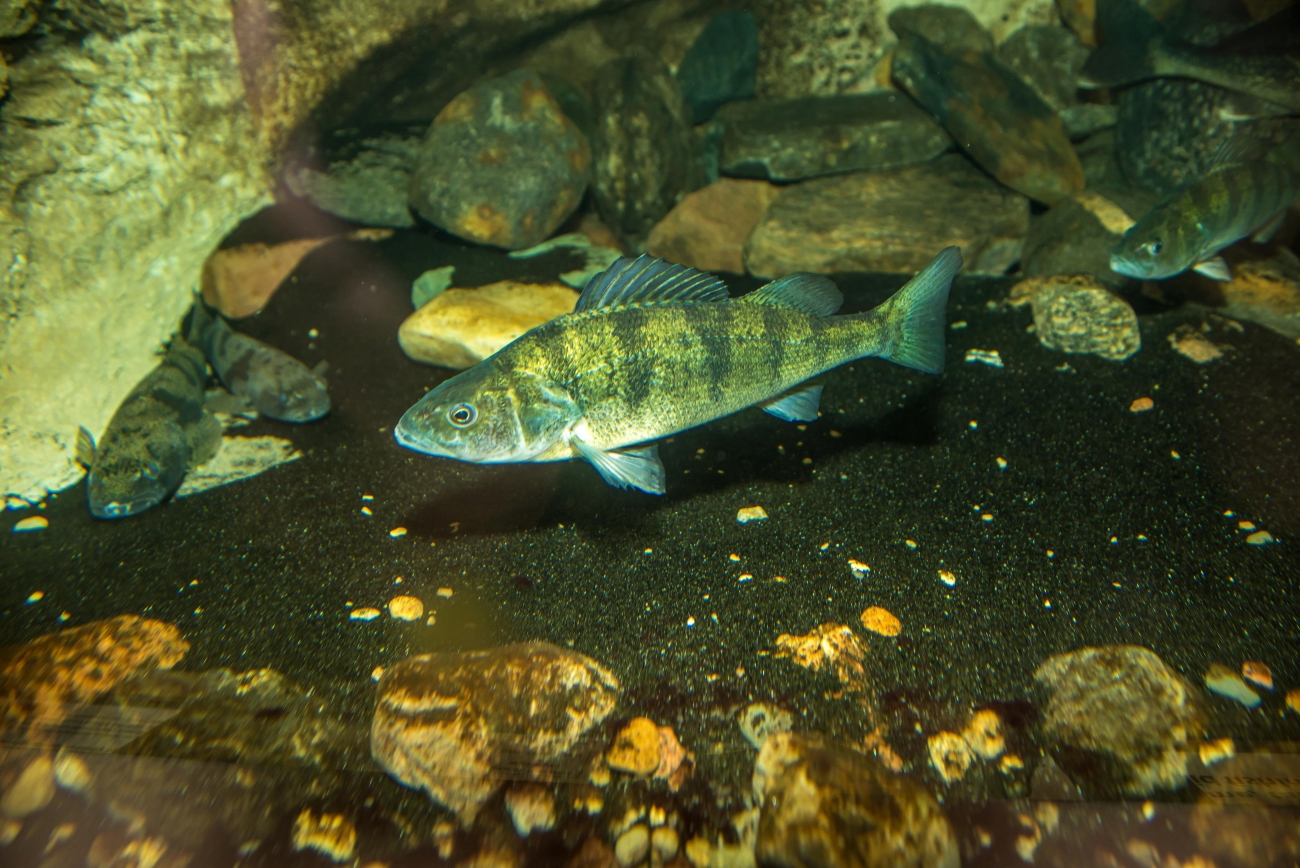
Yellow perch with dark vertical bars in an aquarium05

Yellow Perch

Perca flavescens

Least Concern · global

A schooling percid whose repeated triangular bars create one of the most recognizable freshwater side patterns.

Habitat
Ponds, lakes and slow-flowing rivers, often in clear water near vegetation.
Range
Widespread in northern and eastern North America, with introduced populations beyond the native range.
View Species Guide
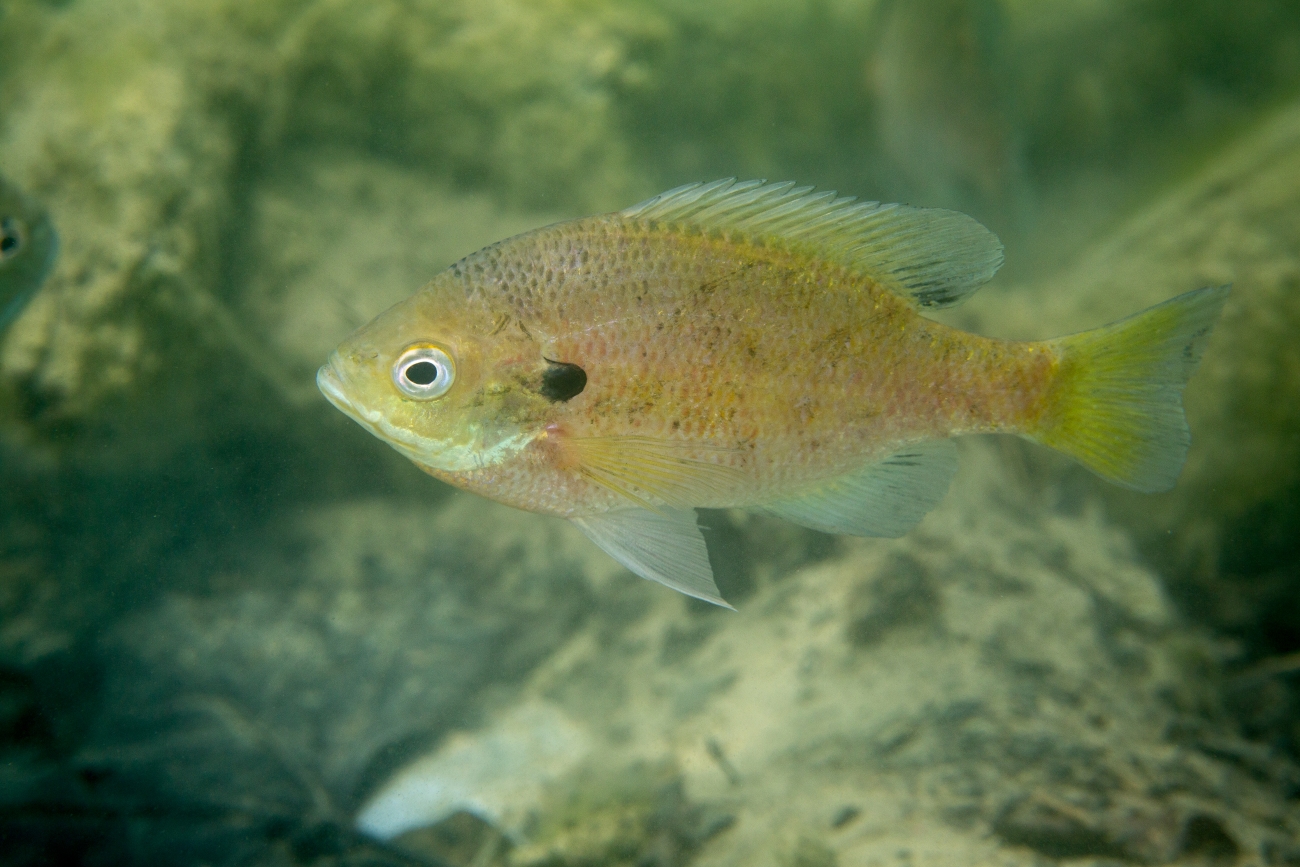
Bluegill showing a deep body and dark opercular flap06

Bluegill

Lepomis macrochirus

Least Concern · global

A deep-bodied sunfish with a compact mouth and a dark extension at the edge of the gill cover.

Habitat
Lakes, ponds, reservoirs and sluggish streams, commonly near weed beds.
Range
Native through much of central and eastern North America from Canada to northern Mexico; widely introduced.
View Species Guide
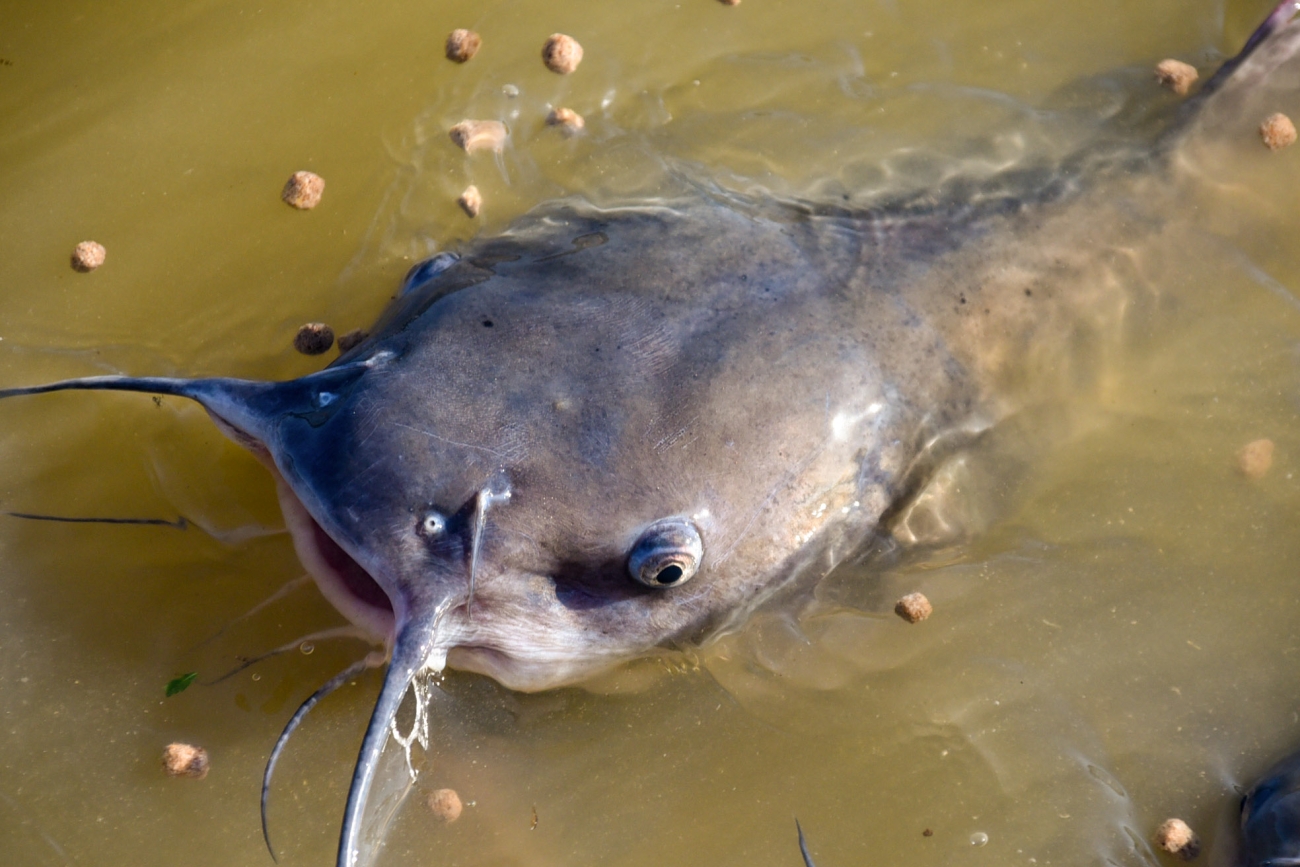
Channel catfish swimming in a hatchery pond07

Channel Catfish

Ictalurus punctatus

Least Concern · global

A streamlined catfish distinguished from similar bullheads by its strongly forked tail and longer profile.

Habitat
Large streams, rivers, reservoirs and ponds with varied current and substrate.
Range
Native across central North American drainages from southern Canada into northern Mexico; introduced widely.
View Species Guide
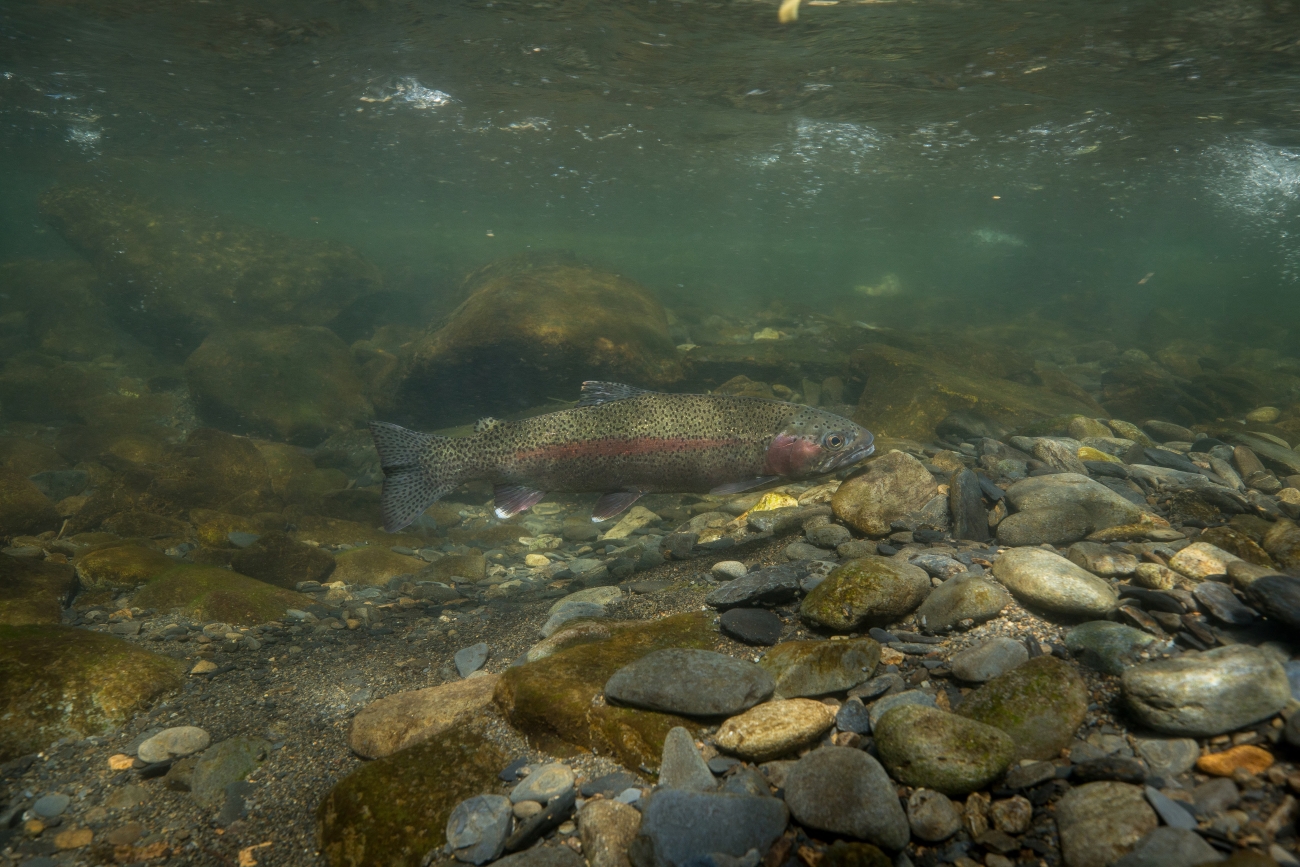
Rainbow trout in clear water above a rocky stream bed08

Rainbow Trout

Oncorhynchus mykiss

Least Concern · global

A variable salmonid whose spots, adipose fin and side band must be read alongside life history and local stocking records.

Habitat
Cold, well-oxygenated streams and lakes; some populations migrate through estuaries and the ocean.
Range
Native to Pacific drainages of North America and northeastern Asia; introduced widely around the world.
View Species Guide
Conservation labels shown here are global IUCN categories presented by FishBase. Local populations, legal protections and harvest rules can differ.

Field workflow

How Mobile Identification Works

A phone can organize observations and propose candidates. It cannot see a missing fin, repair a misleading angle or decide whether a population is present in that drainage.

ImportantAutomatic recognition can be wrong. Confirm the result with a regional key or authoritative species record.
  1. 01

    Photograph

    Record a complete side view and the structures that separate likely lookalikes.

  2. 02

    Mark features

    Note mouth position, fin placement, tail shape and the direction of body patterns.

  3. 03

    Add context

    Use watershed, habitat and date to build a realistic regional shortlist.

  4. 04

    Compare

    Check a current field guide or agency profile—not only an image match.

  5. 05

    Verify

    Keep the result provisional when the photograph lacks a diagnostic feature.

Rainbow trout underwater above a rocky stream bed

Ryan Hagerty / USFWS · Public domain

Better fish photography

The useful photograph is also the gentle one.

Prepare the camera before handling. Work in natural light, control reflection with angle rather than heavy editing, focus on diagnostic anatomy and preserve an unedited original.

  • Keep live fish wet and supported.
  • Record a whole side, head and relevant fins.
  • Include a scale cue only when it is safe.
  • Skip the frame when the fish is stressed.
Photography guide

Freshwater habitats

A species is never separate from place.

Water movement, temperature, depth, substrate, vegetation and connectivity turn a blue shape on a map into living habitat.

01

Lakes

Depth, shoreline structure, vegetation and seasonal mixing create many distinct zones.

02

Rivers

Current, substrate and connected tributaries shape where species can feed and reproduce.

03

Reservoirs

Human-made lakes combine river channels with open-water and shoreline habitats.

04

Wetlands

Shallow water and vegetation can provide shelter, feeding areas and nursery habitat.

05

Riparian edges

Bank vegetation adds shade, stabilizes sediment and filters some runoff.

Read the habitat primer ↗

Latest field notes

Evidence from the edge

Short, practical reads on photography, identification confidence and responsible observation.

Method

How We Research

Every species guide begins with taxonomy, range and habitat from a public agency or established species database. We then separate direct source facts from editorial field guidance.

Read our editorial policy ↗
01

Taxonomy

Scientific names are checked against USFWS records and FishBase.

02

Status context

Global Red List status is dated, linked and never substituted for local law.

03

Image provenance

Every documentary image carries a source, creator and usage status.

04

Corrections

Substantive changes are reviewed, dated and described on the corrections page.

Questions from the field

Frequently Asked Questions

01How can a fish species be identified from a photo?

Start with visible structure—body profile, mouth, fin position and pattern—then compare habitat and verified range. A photograph can support an identification, but it may not show every diagnostic feature.

02What details should be photographed?

When it is safe for the animal, record a full side view, head and mouth, dorsal fins, tail, and any distinctive marks. Add one wider image of habitat and retain the original file.

03Can identification tools make mistakes?

Yes. Image-based suggestions can be wrong when species look alike, the photo is incomplete or the regional species list is inaccurate. Treat the result as a shortlist and verify it manually.

04How should a phone be protected near water?

Use a fitted protective case, a secure tether and a dry pouch. Set up maps and references on land, keep stable footing and never watch the screen while moving near current or a steep bank.

05How can fish be photographed safely?

Prepare the camera first, keep the fish wet and supported, minimize handling and release promptly. Skip the photograph if the fish is stressed or local rules require immediate release.

06Where does the habitat information come from?

Species profiles are checked against USFWS and other public-agency records. Broader habitat explanations use USGS and EPA resources. Each guide links to its source record and status reference.

Editorial responsibility

About the Editorial Team

This prepublication handoff does not invent individual writers or field credentials. Articles are attributed to the Freshwater Lens Editorial Desk, the accountable institutional byline for this draft, until the publisher supplies verified staff names and biographies.

Working contactfaelmerantis@gmail.com

Before publication

Identity fields to confirm

  • Legal owner and registration
  • Physical business address
  • Named editor and qualified contributors
  • Inbox ownership and delivery
  • Domain and form endpoint

Last updated August 30, 2026