Field collection

Freshwater Species Guide

Use body structure, habitat and range together. Every profile links to the public record behind its taxonomy, habitat notes, conservation status and photograph.

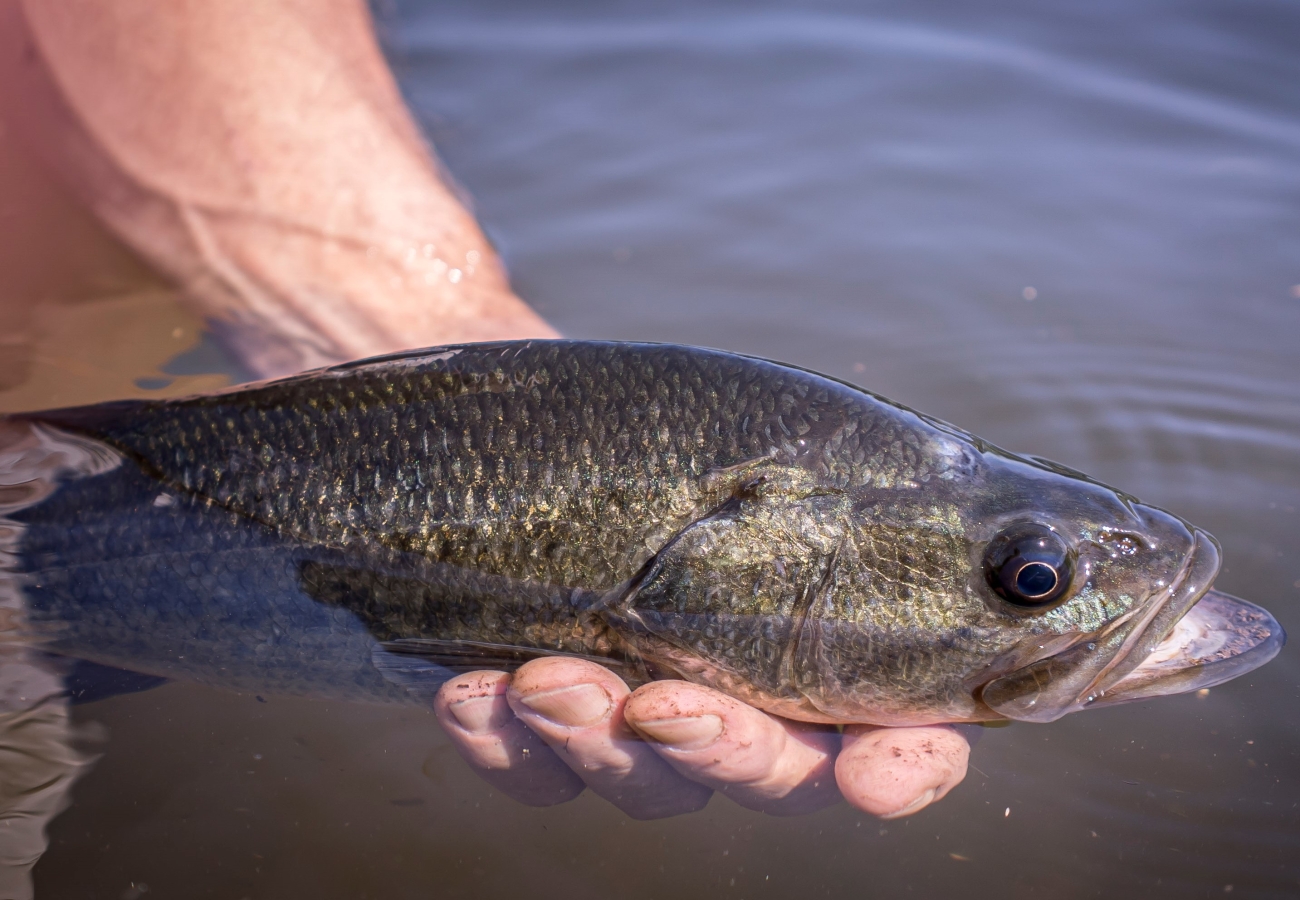
Adult largemouth bass in profile at a fish hatchery01

Largemouth Bass

Micropterus salmoides

Least Concern · global

A heavy-bodied ambush predator commonly associated with warm, structured water and submerged vegetation.

Habitat
Vegetated lakes, ponds, swamps and quiet pools or backwaters.
Range
Native across broad parts of eastern and central North America; widely introduced beyond its native drainage.
View Species Guide
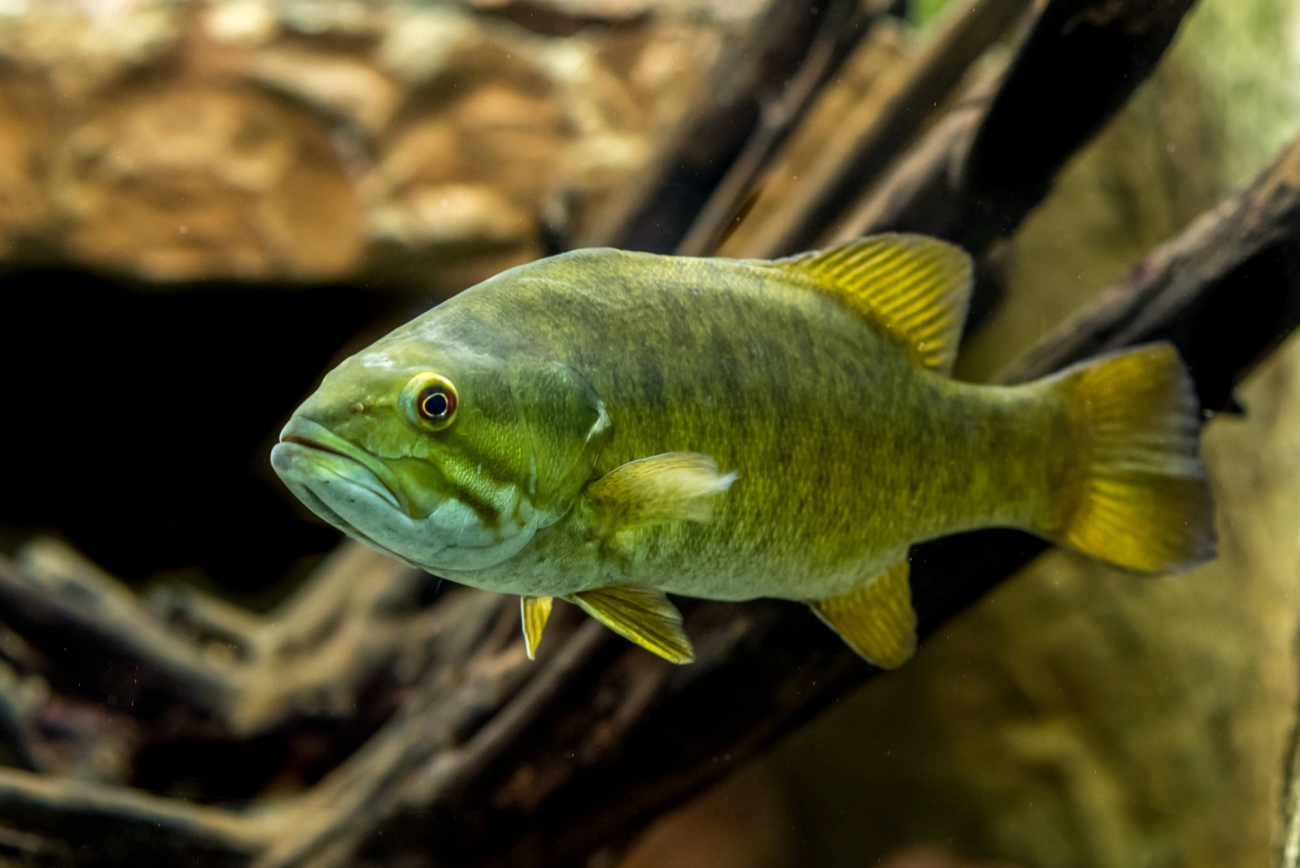
Smallmouth bass photographed in side profile02

Smallmouth Bass

Micropterus dolomieu

Least Concern · global

A bronze-toned bass strongly associated with clear water, rock and current, though appearance changes with habitat and age.

Habitat
Clear, cooler lakes and rocky or gravel-bottom rivers, runs and pools.
Range
Native to the St. Lawrence–Great Lakes, Hudson Bay and Mississippi systems; introduced in many regions.
View Species Guide
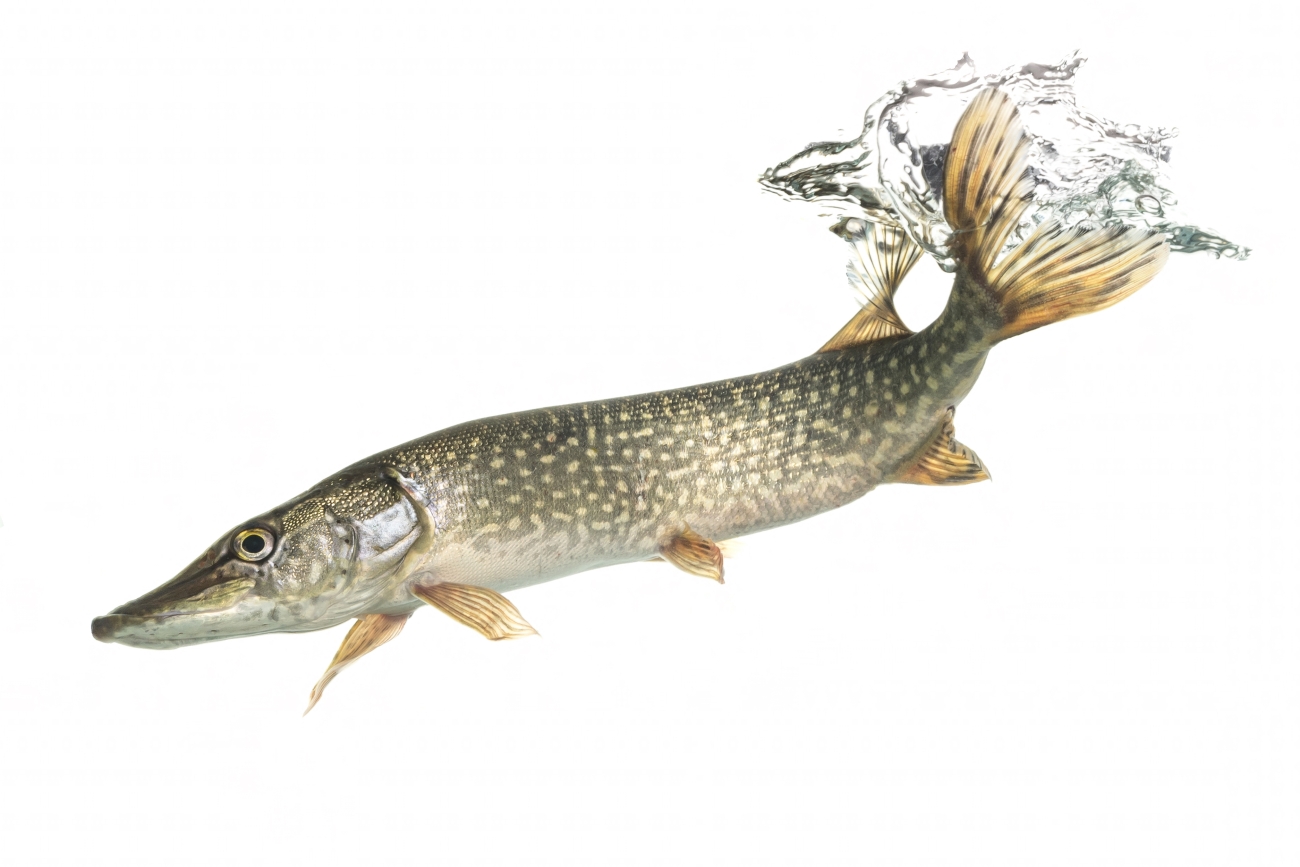
Long-bodied northern pike with pale spots03

Northern Pike

Esox lucius

Least Concern · global

A long-bodied ambush predator whose rear-set fins and duckbill-like snout are stronger clues than overall color.

Habitat
Vegetated lakes, quiet pools, backwaters, rivers and reservoirs.
Range
Across northern parts of North America, Europe and Asia, with introduced populations outside parts of the native range.
View Species Guide
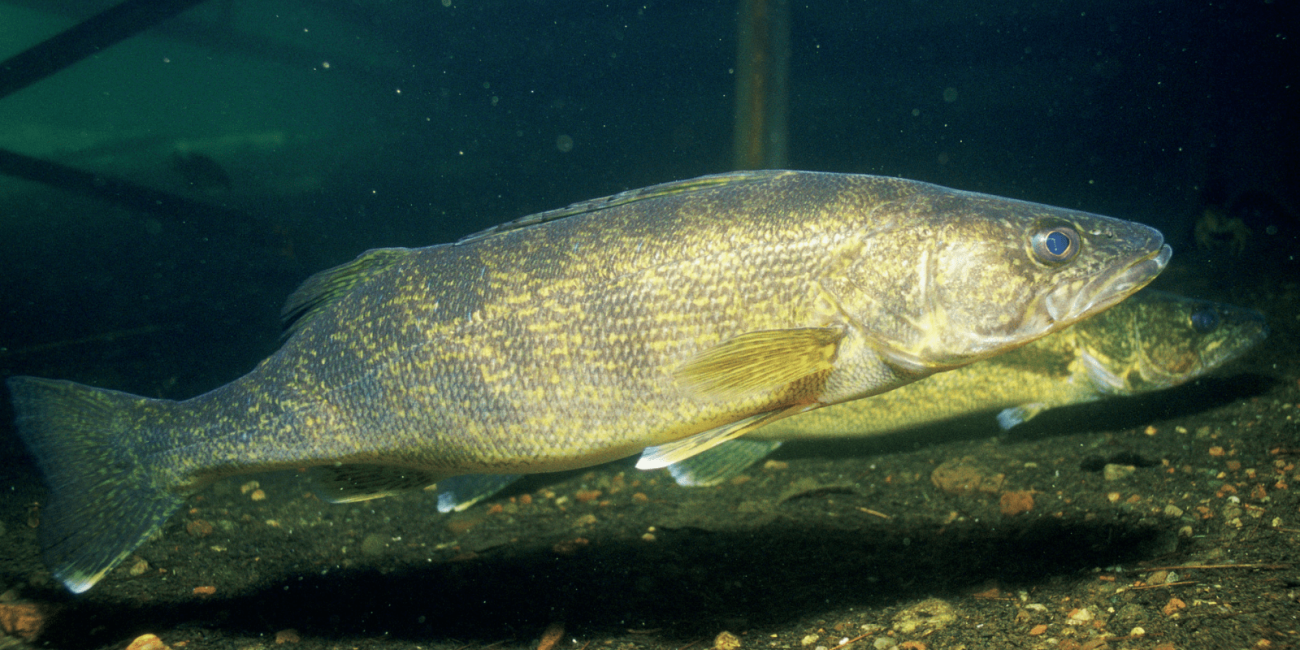
Walleye in profile over a neutral background04

Walleye

Sander vitreus

Least Concern · global

A low-light percid with a long body, separated dorsal fins and a tail marking useful in field comparison.

Habitat
Cool rivers, natural lakes and reservoirs, in clear or turbid and shallow or deep water.
Range
Native to Arctic, Great Lakes and Mississippi drainage systems in North America; introduced elsewhere on the continent.
View Species Guide
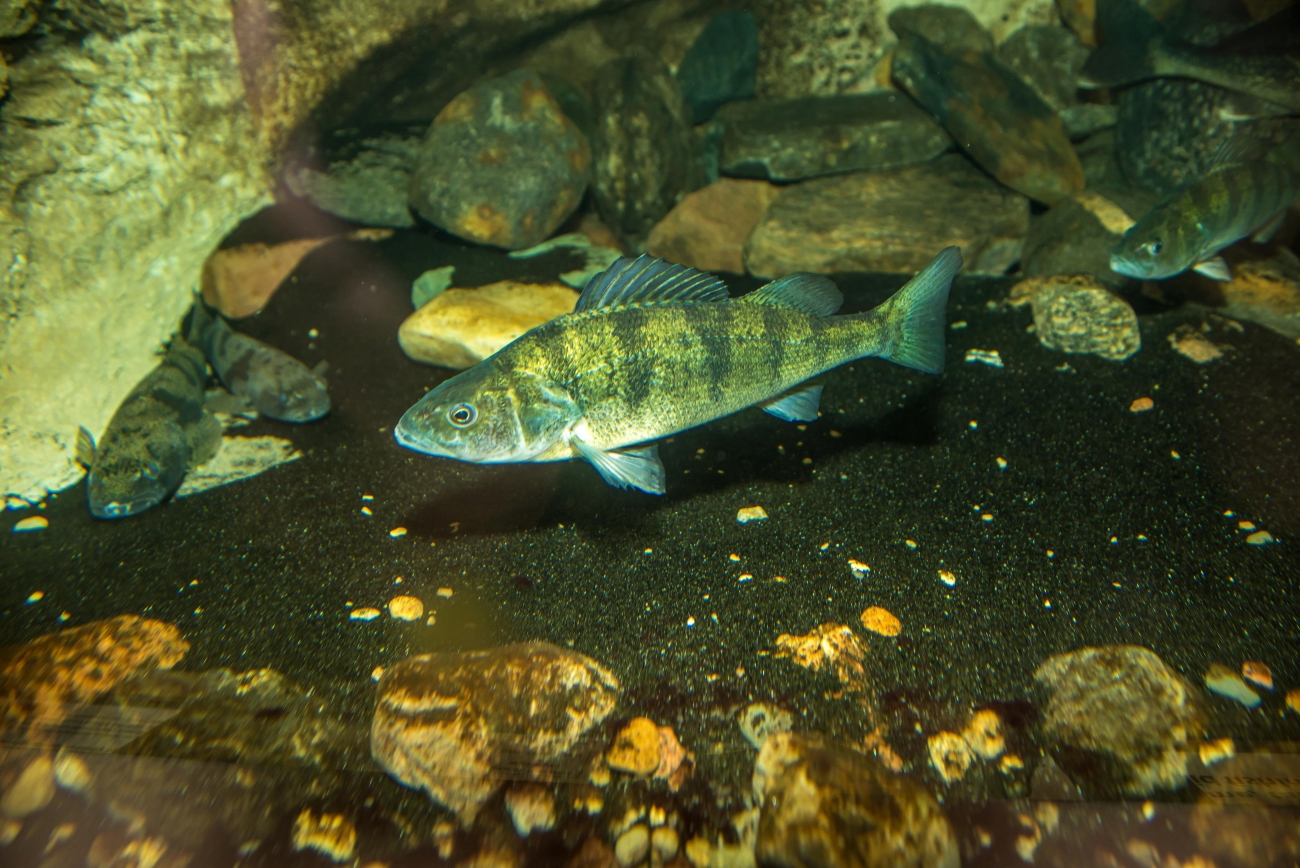
Yellow perch with dark vertical bars in an aquarium05

Yellow Perch

Perca flavescens

Least Concern · global

A schooling percid whose repeated triangular bars create one of the most recognizable freshwater side patterns.

Habitat
Ponds, lakes and slow-flowing rivers, often in clear water near vegetation.
Range
Widespread in northern and eastern North America, with introduced populations beyond the native range.
View Species Guide
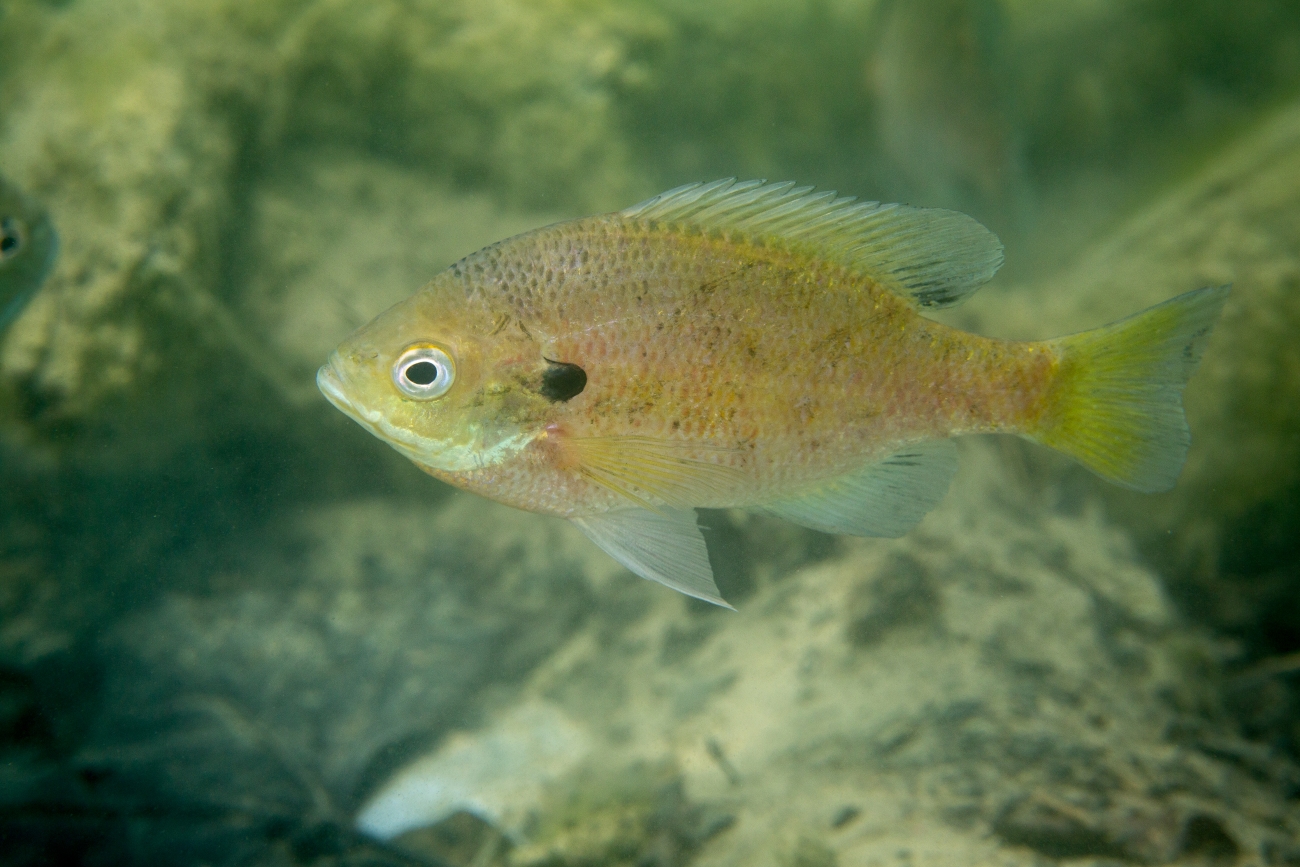
Bluegill showing a deep body and dark opercular flap06

Bluegill

Lepomis macrochirus

Least Concern · global

A deep-bodied sunfish with a compact mouth and a dark extension at the edge of the gill cover.

Habitat
Lakes, ponds, reservoirs and sluggish streams, commonly near weed beds.
Range
Native through much of central and eastern North America from Canada to northern Mexico; widely introduced.
View Species Guide
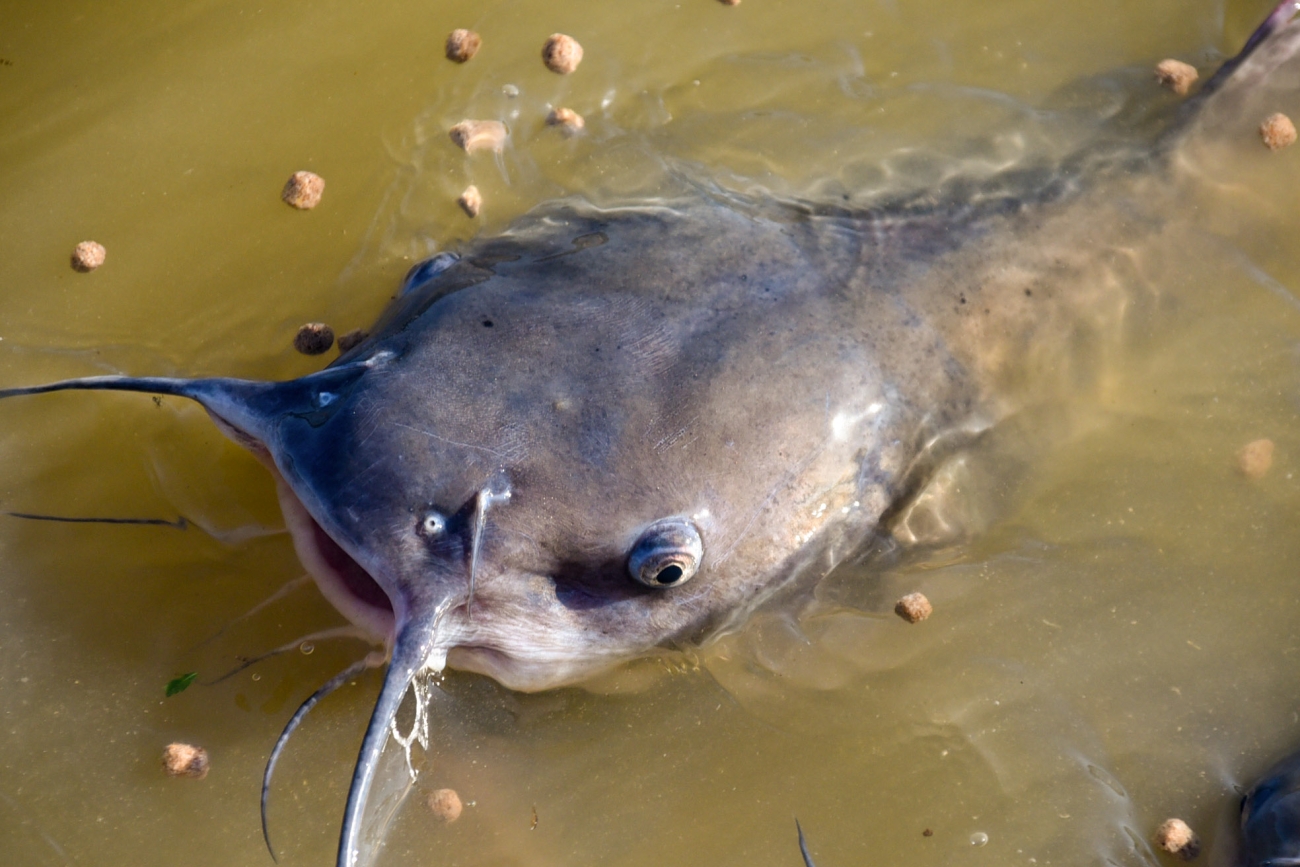
Channel catfish swimming in a hatchery pond07

Channel Catfish

Ictalurus punctatus

Least Concern · global

A streamlined catfish distinguished from similar bullheads by its strongly forked tail and longer profile.

Habitat
Large streams, rivers, reservoirs and ponds with varied current and substrate.
Range
Native across central North American drainages from southern Canada into northern Mexico; introduced widely.
View Species Guide
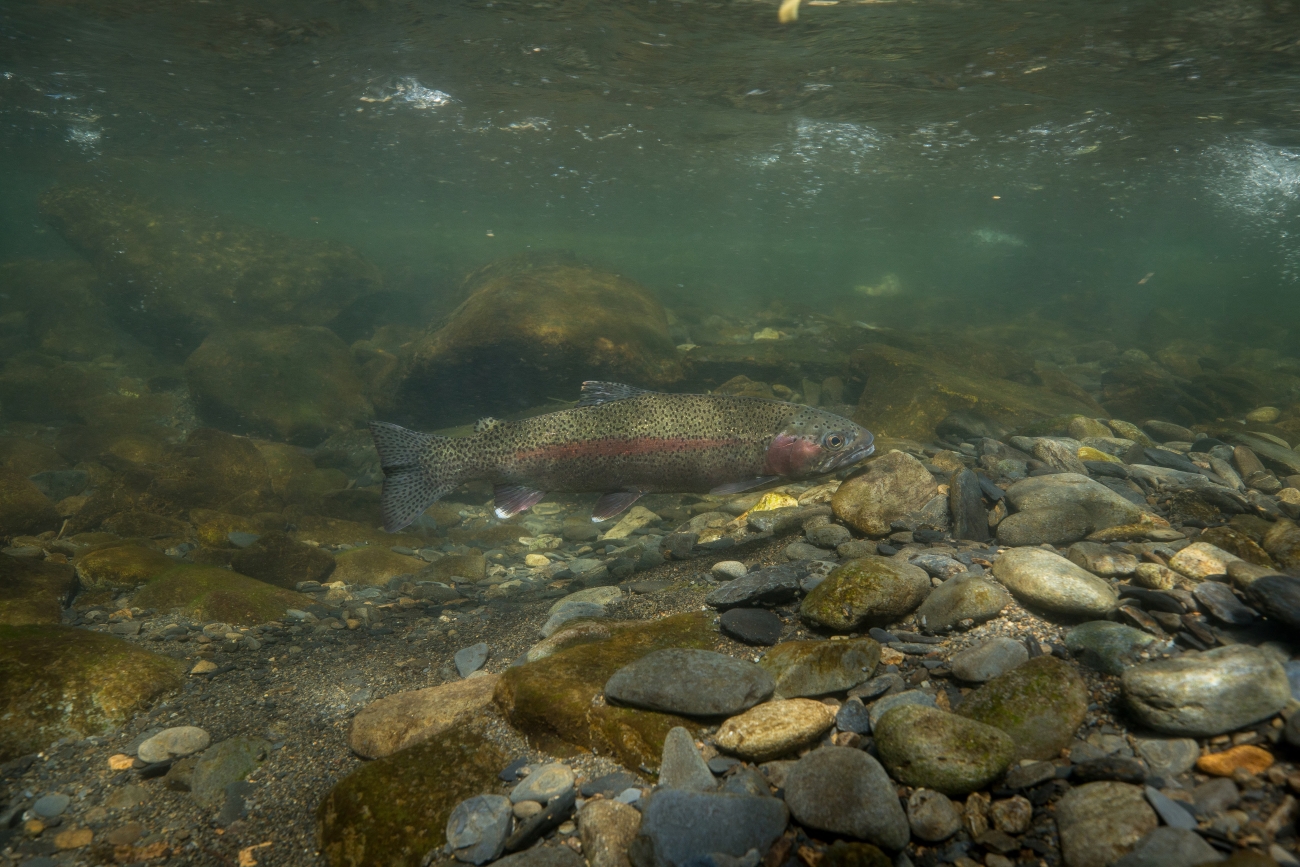
Rainbow trout in clear water above a rocky stream bed08

Rainbow Trout

Oncorhynchus mykiss

Least Concern · global

A variable salmonid whose spots, adipose fin and side band must be read alongside life history and local stocking records.

Habitat
Cold, well-oxygenated streams and lakes; some populations migrate through estuaries and the ocean.
Range
Native to Pacific drainages of North America and northeastern Asia; introduced widely around the world.
View Species Guide
Read status carefully. A global conservation category does not replace local population assessments, protected-species rules, seasons, size limits or access restrictions.