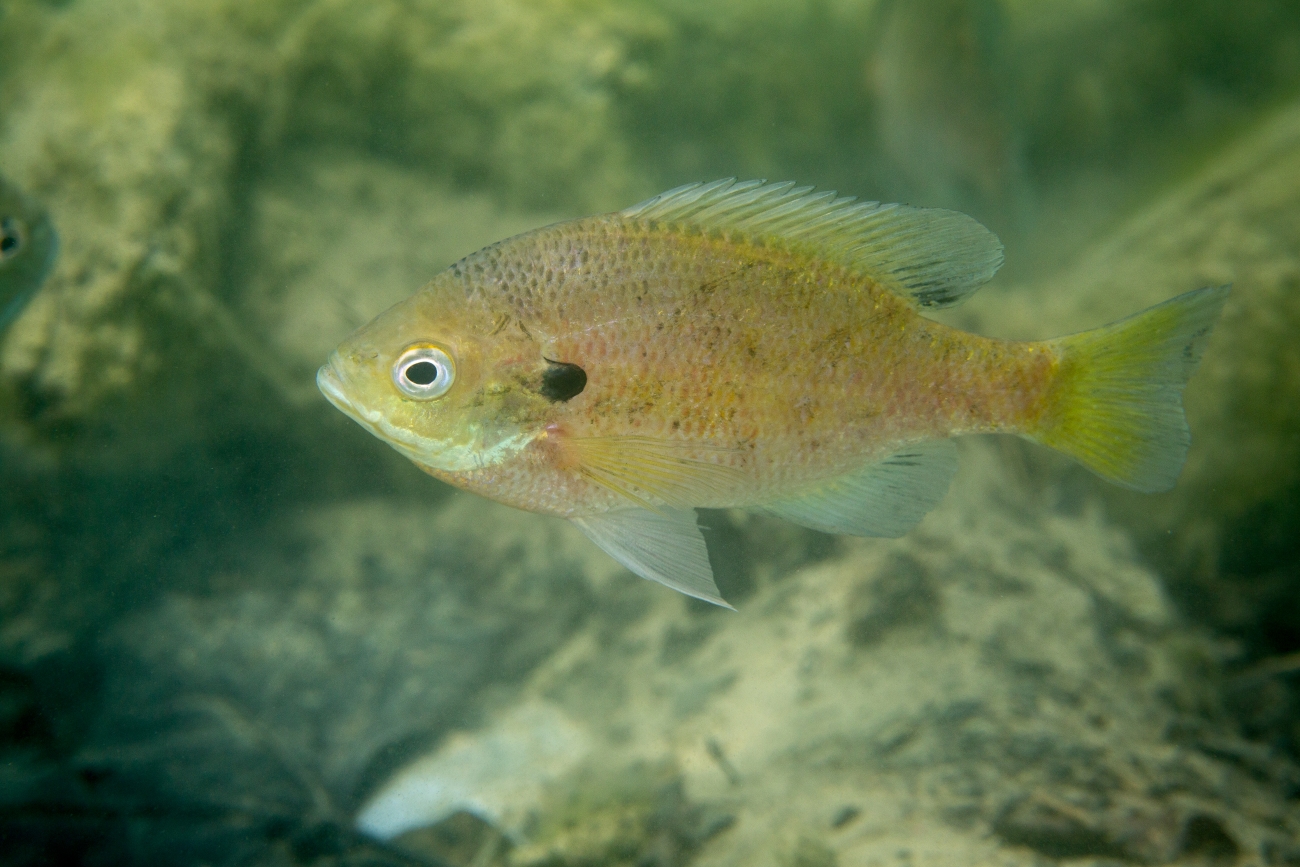
Color is filtered evidence
Water absorbs and scatters light unevenly. Depth, tannins, algae, sediment and a reflective surface can shift a neutral fish toward green, blue, amber or gray.
Automatic white balance may then apply a second correction. Preserve an unedited original and avoid using saturation alone as an identification mark.
Add a reference frame
Photograph the fish and a nearby neutral object under the same light when doing so is safe. A second wider frame records depth, substrate and vegetation.
For live observations, welfare comes first; do not prolong handling to perfect color.